Rated No. 1 in Jaipur

Career Counselling for 12th Class— An Honest Conversation About Your Future

Your parents want engineering. Your friends are doing NEET. But what do YOU want? Career counselling for 12th that puts you first. Let’s talk. We help you figure out what YOU actually want. Get 1-on-1 career counselling today.

Find Us

Why 12th-Grade Students Need Career Counselling

Confusion Among Too Many Options
Engineering, medicine, law, design, management, humanities, commerce, science research, digital careers — there are hundreds of paths, and no one tells you which one is right for you.

Pressure from Parents and Society
“Beta, engineering karle.” “Doctor ban jao.” Everyone has an opinion about your future, but very few ask what YOU actually want. The pressure to choose a “safe” career often drowns out your own voice.

Lack of Exposure to Career Options
Most students only know about 5-10 careers — doctor, engineer, CA, lawyer. But there are over 250+ career options in India today. How do you choose what you don’t even know exists?

No Clarity About Your Own Skills and Interests
You’ve been busy with boards and entrance prep. But have you ever stopped to ask: What am I actually good at? What do I enjoy? What kind of work environment suits me? Without self-awareness, any career choice is just a guess.

Limited Slots for 1:1 Guidance – Enquire Now

Book a counselling session and clear your doubts in one call
Please enable JavaScript in your browser to complete this form.

How Our Career Counselling Helps You

Our counselling process is designed to give you complete clarity and a step-by-step action plan.

Career Assessment

We use scientifically-backed psychometric tests to understand your personality, interests, aptitudes, and values. This isn't a random quiz — it's a deep assessment that reveals what careers align with who you are.

Whether you're from PCM, PCB, Commerce, or Arts — we provide tailored advice based on your academic background. We explore both traditional and emerging career paths in your stream.

  • PCM: Engineering, Architecture, Data Science, Defence, Merchant Navy, and more
  • PCB: Medicine, Pharmacy, Physiotherapy, Nursing, Nutrition, Psychology, and more
  • Commerce: CA, CS, Finance, Business Management, Digital Marketing, and more
  • Arts/Humanities: Law, Journalism, Psychology, Design, Social Work, Teaching, and more

College and Course Selection

We help you shortlist the right colleges and courses based on your goals, budget, location preferences, and career objectives. We guide you through government colleges, private universities, deemed universities, and international options.

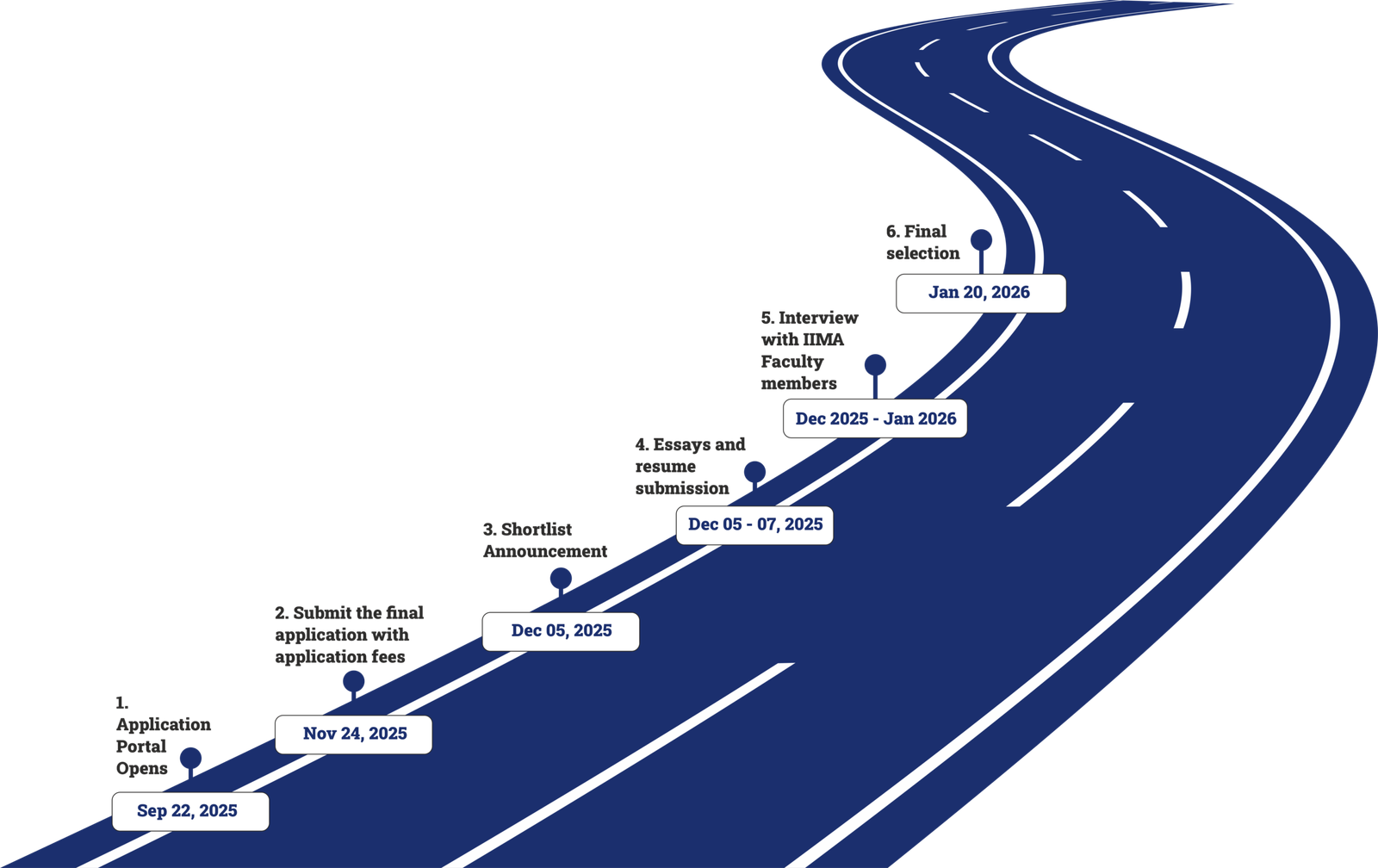
Admission Roadmap

We create a month-by-month plan covering entrance exams, application deadlines, document preparation, form filling, and counselling processes — so you don't miss any opportunity.
Long-Term Career Planning

We don't just help you pick a course — we map out where that course can take you in 5, 10, 15 years. We discuss job prospects, growth potential, salary expectations, and alternative paths if things change.


Schedule Your Counselling Session Today

Set up your counselling session and get clear, honest advice on what fits you best after Class 12th.

Glimpse of Counselling Session at Different Places

This glimpse shows how our career counselling sessions take shape in schools, community centres, and private setups across Jaipur. You’ll see how students explore their strengths, ask questions, and get the kind of guidance that helps them move forward.
Career Counselling for 12th Students | From Board Exams to Bright Futures Complete List of Entrance Exams After 12th in India (Science, Commerce & Arts) Entrance Exams After 12th for Science, Commerce, and Arts Students Top Entrance Exams After 12th for a Secure Career After 12th Exam Options in India: Complete Guide to Entrance, Government & Competitive Paths Best Online Courses After 12th for Arts, Commerce & Science Students Humanities Courses After 12th: Complete List With Eligibility & Career Scope Career Options After 12th: High-Salary Paths for Science, Commerce & Arts Top Career Options After 12th Science Without NEET – High Salary & Growth Government Competitive Exams After 12th: Complete Guide to Top Careers (2025 Update) Toughest vs Easiest Entrance Exams After 12th – What Students Should Know
Top One-Year Professional Courses After 12th – Quick Career Boost! Explore Best One-Year Courses after 12th (2025) Confused After 12th? Explore 25+ Career Options after 12th That Work Government Exams After 12th for Arts, Commerce & Science Students High Salary Courses After 12th: Top 2025 Options Revealed Top Professional Courses After 12th for a Bright Career in 2025 What to Do After 12th_ Best Career Paths Explained Top Entrance Exams After 12th Best Diploma Courses After 12th Best Career Options After 12th Science Without NEET Vocational Courses After 12th for Science, Commerce, and Arts Students Best Career Options After 12th with High Salary

Who Is This Counselling For?

This Program Is Perfect If You Are:

A Student Confused About Career Path

You’ve finished 12th but have no idea what to do next. You need someone to help you figure it out — objectively and without bias.

A Student Preparing for Entrance Exams

You’re giving JEE, NEET, CLAT, or other exams — but you’re not sure if it’s the right path for you. You want to explore alternatives or confirm your decision.

A Student Interested in Emerging Careers

You don’t want the typical doctor/engineer route. You’re interested in entrepreneurship, creative fields, or digital career — but don’t know where to start.

Parents Seeking Clarity for Their Children

You want the best for your child, but you’re unsure about today’s career landscape. You want expert advice to support your child’s decision-making.

A Complete Career Clarity Package

What You Get in Our Career Counselling Session

1-on-1 Personalised Counselling Session

A 60-90 minute one-on-one session with an experienced career counsellor who listens to your concerns, understands your background, and provides honest, unbiased guidance.

Comprehensive Psychometric Assessment

A detailed test covering aptitude, personality, interests, and career motivations. This isn’t a generic online test — it’s a professional-grade assessment used by career experts worldwide.

Ongoing Support During Admission Period

Career confusion doesn’t end after one session. We offer follow-up support via WhatsApp/email during your admission period — when you have doubts, need advice on college choices, or want to discuss options.

Frequently Asked Questions About Career Counselling for 12th Class

Q. What should I do after 12th if I am confused?

If you’re confused after 12th, the first step is to take professional career counselling with a psychometric assessment. This helps you understand your natural strengths, interests, and personality traits objectively, so you can identify career paths that actually suit you.

Immediate steps to take:

  • Schedule a career counselling session with a certified counsellor
  • Take a comprehensive psychometric test (not random online quizzes)
  • List down what you enjoyed studying in school
  • Research 3-5 careers that align with your assessment results
  • Talk to professionals working in those fields
  • Create a shortlist of colleges and courses
  • Make a backup plan alongside your primary choice

Why career counselling helps: Most students feel confused because they lack two things: self-awareness (what am I good at?) and exposure (what options exist?). Career counselling addresses both through scientific assessments and expert guidance.

Don’t rush into a decision just because admission deadlines are approaching. Taking 2-3 weeks to get clarity now can save you years of regret later. Remember, it’s better to start a semester late with the right course than to spend four years in the wrong one.

Q. Is career counselling worth it after 12th?

Yes, career counselling after 12th is worth it because it prevents costly mistakes. Choosing the wrong career can waste 3-4 years, lakhs of rupees, and cause long-term dissatisfaction. Investment in career counselling is minimal compared to the cost of a wrong decision.

What makes it worth it:

1. Scientific Assessment vs Guesswork You get psychometric tests that measure your aptitude, personality, interests, and values objectively. This is far more reliable than choosing based on “feeling” or what sounds good.

2. Exposure to 250+ Career Options Most students know only 10-15 careers. A counsellor exposes you to options you never knew existed—especially emerging fields like UX design, data analytics, content strategy, digital marketing, genetic counselling, and more.

3. Unbiased Guidance Unlike teachers, parents, or relatives who may push their own preferences, professional counsellors provide objective advice based on your profile, not their opinions.

4. Admission Strategy Counsellors help you navigate entrance exams, college selection, application deadlines, and backup plans—saving you from missing opportunities due to confusion or lack of information.

5. Long-term Career Roadmap You don’t just get a course recommendation. You get a 5-10 year career plan including skills to develop, internships to target, and growth opportunities in your chosen field.

When it’s especially worth it:

  • You’re completely confused and have no idea what to choose
  • Your parents want one thing, you want another
  • You’re interested in non-traditional careers
  • You’ve taken a drop year and don’t want to waste another year
  • You’re choosing between multiple options and can’t decide
  • You want to study abroad but don’t know where to start

Real impact: Students who take career counselling are 3x more likely to stick with their chosen field and report higher satisfaction 5 years later. Those who skip counselling often realize by second or third year that they’re in the wrong course—by then, switching becomes very difficult and expensive.

Q. How do I choose the right career after 12th?

To choose the right career after 12th, follow this 5-step process: (1) Take a psychometric assessment to understand your strengths and interests, (2) Research 3-5 careers that match your profile, (3) Talk to professionals in those fields, (4) Evaluate based on your goals and circumstances, and (5) Create an action plan with backup options.

Step-by-step process:

Step 1: Know Yourself First Before exploring careers, understand yourself:

  • What subjects did you genuinely enjoy in school? (Not just score well in)
  • What activities make you lose track of time?
  • Do you prefer working with people, data, or creative projects?
  • Are you comfortable with routine work or do you need constant variety?
  • What are your natural strengths? (Analytical thinking, creativity, communication, problem-solving?)

Take a professional psychometric test—not free online quizzes. These tests scientifically assess your aptitude, personality type, interests, and work values.

Step 2: Explore Career Options Based on your self-assessment:

  • List 5-8 careers that align with your profile
  • Research what these professionals actually do daily (not just job descriptions)
  • Check educational requirements, entrance exams, and top colleges
  • Understand salary ranges, growth prospects, and work-life balance
  • Look for emerging opportunities in your field of interest

Step 3: Get Real-World Insights

  • Talk to 2-3 professionals working in your shortlisted careers
  • Ask about their daily routine, challenges, and satisfying aspects
  • Understand the reality vs. glamorized perception
  • Join online communities or LinkedIn groups in those fields
  • Read authentic experiences (not marketing content)

Step 4: Evaluate Practically Consider these factors:

  • Interest + Aptitude: Are you both interested AND naturally good at it?
  • Market Demand: Will this career exist and grow in the next 10-20 years?
  • Financial Goals: Does the salary trajectory match your expectations?
  • Education Investment: Can your family afford the course fees?
  • Location Flexibility: Does this career require you to relocate?
  • Work Environment: Does the typical work setting suit your personality?

Step 5: Create an Action Plan Once you’ve chosen:

  • List entrance exams to prepare for
  • Shortlist 10-15 colleges (dream, realistic, backup)
  • Mark all application deadlines on a calendar
  • Identify skills to develop alongside your degree
  • Have a Plan B in case Plan A doesn’t work out

When to seek help: If after this process you’re still confused, get professional career counselling. Sometimes an expert perspective helps you see things you’re missing.

Q. What if my parents don't agree with my career choice?

If your parents don’t agree with your career choice, start by understanding their concerns (financial security, social status, lack of awareness about your chosen field), then have an honest conversation backed with research, real examples, and a solid plan. Show them you’ve thought it through, not just following a whim.

Why parents disagree—understand their perspective:

1. Fear for Your Financial Security They’ve seen economic uncertainty and want you to have a “stable” career. Traditional careers (doctor, engineer, government job) feel safer to them because they’ve stood the test of time.

2. Lack of Awareness About New Careers Your parents may not know that careers like UX design, data science, content strategy, or digital marketing even exist—let alone that they pay well and have growth potential.

3. Social Pressure and Status In Indian society especially, parents face questions from relatives: “Beta kya kar raha hai?” They worry about answering truthfully if you choose something unconventional.

4. They See Their Friends’ Kids Succeeding “Sharma ji ka beta engineer ban gaya, tumhe bhi wahi karna chahiye” is a real thing. Comparison pressure affects parents too.

5. They Want to Protect You From Mistakes They’ve lived longer and seen people struggle. Their pushback often comes from love and fear of you suffering, not from wanting to control you.

How to approach the conversation:

Step 1: Listen First, Don’t Defend

  • Ask: “What are your specific concerns about my choice?”
  • Let them express their fears completely without interrupting
  • Acknowledge their concerns as valid (even if you disagree)
  • This creates trust and shows maturity

Step 2: Do Your Homework Come prepared with:

  • Detailed information about your chosen career
  • Job prospects and growth trajectory
  • Salary ranges (current and future)
  • Top companies/organizations hiring in this field
  • Examples of successful professionals in this career
  • Educational pathway and costs involved
  • Your backup plan if things don’t work out

Step 3: Present a Solid Plan Don’t just say “I want to do X.” Show them HOW:

  • Which colleges/courses you’ll pursue
  • Entrance exams and your preparation strategy
  • Skills you’ll develop during education
  • Internship opportunities to gain experience
  • Month-by-month timeline
  • Financial projections

Step 4: Show Real Examples

  • Find 3-5 professionals in your chosen field (via LinkedIn)
  • Show their career progression
  • Share articles/interviews about career opportunities
  • If possible, arrange for your parents to speak with someone working in that field
  • Real people succeeding is more convincing than your arguments

Step 5: Offer Compromises

  • “Let me pursue this, but I’ll also keep X as a backup”
  • “Give me 2 years to prove this works, otherwise I’ll switch”
  • “I’ll take the exam for Y (their preference) while preparing for X (your choice)”
  • “Let me talk to a career counsellor with you, and we’ll decide together”

Step 6: Involve a Third Party Sometimes parents trust outside experts more than their children:

  • Career counsellors
  • Teachers or professors
  • Successful professionals in your chosen field
  • Family friends whose judgment they respect

If they still don’t agree:

Option A: Start Your Journey, Prove Them Right Later If you’re financially independent or have support:

  • Sometimes you have to take the leap
  • Let your success speak louder than arguments
  • Many parents come around when they see you thriving

Option B: Take the Middle Path

  • Choose a somewhat acceptable course that leaves doors open
  • Develop your real interests on the side
  • Pivot during postgraduation or after a few years

Option C: Get Professional Mediation

  • Book a family career counselling session
  • Let a neutral expert facilitate the discussion
  • Counsellors are trained to help families reach consensus

What NOT to do:

  • ❌ Get angry or emotional in discussions
  • ❌ Make it a rebellion or ego battle
  • ❌ Dismiss their concerns as “outdated thinking”
  • ❌ Make impulsive decisions to prove a point
  • ❌ Cut off communication